
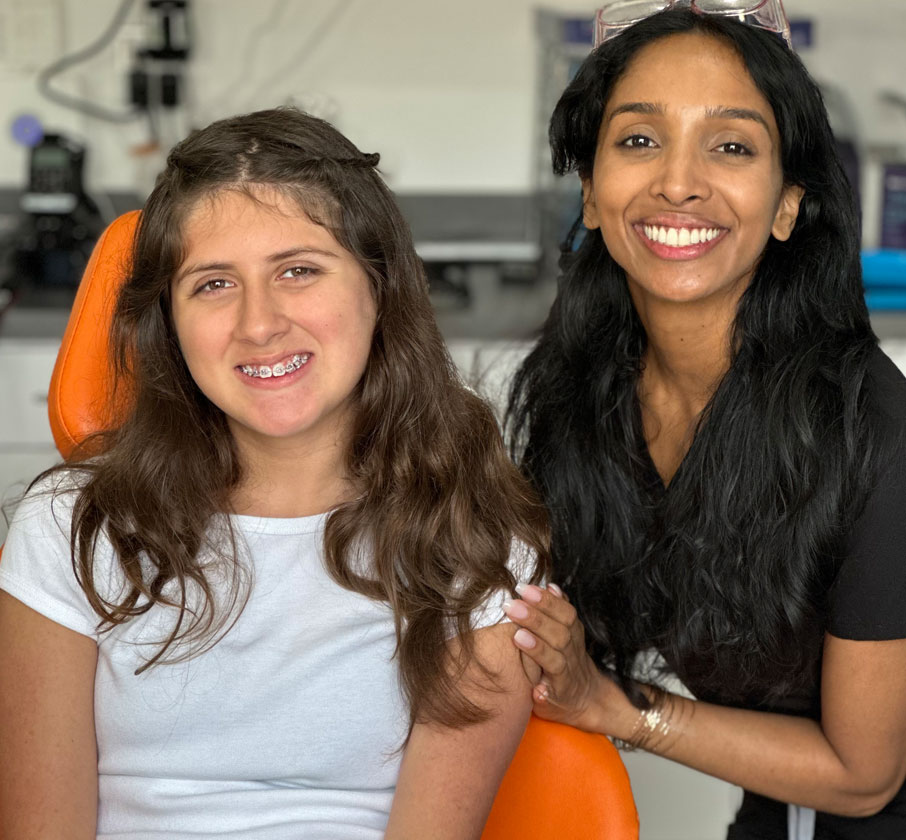
At OPD Smiles in Allen, braces plans start at $175 a month, and after a free consultation most patients pay between $150 and $175 a month. Your exact cost depends on your treatment plan, the appliance you choose, and your insurance.
How Much Do Braces Cost at OPD Smiles?
Orthodontic pricing is frustrating to research, because the honest answer is a range and ranges can feel evasive. Here is what we can say plainly, taken straight from our costs page.
Monthly Payments Most Families See
Our braces plans start at $175 a month. After a free consultation, most patients pay anywhere from $150 to $175 a month, depending on the type of treatment, how complex the case is, and what insurance contributes. Those figures are based on a minimum down payment and an average treatment term.
Why We Quote After a Consultation, Not Over the Phone
Final pricing is set during your complimentary consultation, because it reflects your actual treatment plan, your insurance benefits, and how you prefer to pay. A phone quote without an exam is a guess, and guesses are how families end up surprised halfway through treatment.
What Happens at the Free Consultation?
The consultation is a no-obligation visit for patients of all ages. One of our board-certified orthodontists examines the teeth and bite, explains whether treatment is needed now or whether it is better to wait, and walks you through the options that fit, whether that is braces or aligners. You leave with a free smile estimate built on your actual plan, so you can compare it fairly with any other quote.
What Affects the Cost of Braces?
Five factors account for almost all of the difference between one quote and another.
How Complex the Case Is
Mild crowding that can be corrected fairly quickly is very different from a significant bite problem that needs more time and more appliances. Complexity is the biggest single driver of cost.
Length of Treatment
Longer treatment means more adjustment visits, more wire changes and more chair time. Braces commonly take 18 to 24 months, though every smile is different.
Type of Appliance
Metal braces, clear ceramic braces and Invisalign clear aligners are priced differently. Our traditional braces are the most budget-friendly orthodontic option, and they can handle even complex cases.
Early Treatment Versus One Phase
Some children benefit from early interceptive treatment followed by a second phase years later. We only recommend two phases when the bite genuinely calls for it. Our guide to two-phase orthodontic treatment explains when that makes sense.
Insurance Benefits
What your plan contributes can change your monthly amount noticeably, which is why we verify benefits before we give you a final number. Two families with the same treatment plan can see different monthly payments simply because one plan includes orthodontic coverage and the other does not, so comparing quotes without knowing what insurance covered can be misleading.
How Do Metal Braces, Clear Braces and Invisalign Compare?
Cost is only one part of the decision. This comparison draws on our full braces vs. aligners guide.
| Metal braces | Clear (ceramic) braces | Invisalign clear aligners | |
|---|---|---|---|
| Relative cost | Most budget-friendly option | Priced by case; confirmed at your consultation | Priced by case; confirmed at your consultation |
| Appearance | Visible metal brackets | Tooth-colored brackets blend in | Clear and nearly invisible |
| Removable? | No | No | Yes, for meals, brushing and flossing |
| Typical treatment time | Usually 18 to 24 months | Usually 18 to 24 months | Usually 12 to 18 months, depending on wear time |
| Best for | Complex bite and alignment issues | Complex cases with a more discreet look | Mild to moderate crowding, spacing and bite issues |
| Visits | Regular adjustment appointments | Regular adjustment appointments | Fewer in-person visits |
Does Insurance Cover Braces?
Often, at least in part. OPD Smiles accepts most major insurers and is an in-network provider for most major dental insurance plans. We will walk you through your coverage with complete transparency and file claims on your behalf.
How Orthodontic Benefits Usually Work
Orthodontic coverage behaves differently from the rest of a dental plan. Many plans use a lifetime orthodontic maximum per person rather than an annual one, some cover dependent children only, and insurers often pay their share in installments over the course of treatment. Some plans also have waiting periods before orthodontic benefits begin. Every plan is different, so we check yours before treatment starts and show the expected benefit alongside your balance.
What to Have Ready So We Can Check Your Benefits
Bring your insurance card, along with the policyholder’s name and date of birth and the employer or group information if your plan is through work. With that, our team can confirm your orthodontic benefit, any age limit or waiting period, and how the insurer pays, before you commit to anything.
No Insurance? The OPD Smiles Membership Plan
For families without dental insurance, our membership plan gives children preventive care for a low annual fee plus a discount on orthodontic treatment, including braces, Invisalign, appliances and retainers. Current membership pricing is listed on our costs page.
How Can You Pay for Braces?
Most families spread the cost over the length of treatment with a down payment and monthly payments.
Zero-Interest, Extended-Term Financing
We offer zero-interest, extended-term financing options to make treatment easier on the family budget. If a particular monthly amount is your limit, tell us at the consultation so we can build the plan around it.
Questions Worth Asking at Any Consultation
- Does the quoted fee include all adjustment visits for the full treatment?
- Are records such as x-rays, photos and scans included?
- Are repairs for broken brackets and wires included?
- Is the first set of retainers included, and what do replacements cost?
- Can an HSA or FSA be used toward treatment?
- What happens to the payment plan if treatment runs shorter or longer than expected?
Get the inclusions in writing. The most common surprise is not a high fee; it is a low fee that leaves out retainers or repairs. When two quotes look far apart, line them up against this list first: the gap often shrinks, or even reverses, once you compare the same treatment length, appliance and inclusions.
How Can You Avoid Extra Costs During Treatment?
The quoted fee is only part of the picture. The way treatment goes day to day also affects how long it takes, and longer treatment is the most common reason a plan grows.
Protect Your Brackets and Wires
Hard and sticky foods, chewing on pens or ice, and contact sports without a mouthguard cause most broken brackets. Each repair is a short visit, but a bracket left off for weeks lets that tooth drift, which can add time at the end. Our guide to braces emergencies covers what to do if something breaks.
Keep Appointments and Wear Elastics as Directed
Missed adjustment visits and skipped rubber bands are the usual reasons treatment runs long. Aligners work the same way: they only move teeth while they are being worn, so wear time matters as much as the plan.
Take Care of Your Retainer
Retainers keep teeth from shifting back after the braces come off. A lost or cracked retainer is the most common out-of-pocket cost after treatment, so keep it in its case whenever it is out of your mouth, and ask at the consultation what replacements cost.
Does Age Change the Cost?
Age affects the plan more than the price itself. Children may benefit from early treatment that guides jaw growth, while adult orthodontic treatment focuses on moving teeth that have finished growing. Insurance coverage can also differ for adults, which is why we check your plan first.
Is It Worth Waiting to Start Treatment?
Not every bite needs treatment right away, and we will tell you when watching is the right call. The American Association of Orthodontists recommends a first orthodontic visit no later than age 7, and we provide a free early evaluation so you know whether waiting is safe. Some problems, such as crowding that traps plaque or a crossbite that affects jaw growth, become harder to correct later. Early intervention can help save time and money in the teen years. See our children’s orthodontics page for what we look for.
Frequently Asked Questions About the Cost of Braces
Is the orthodontic consultation really free?
Yes. We offer free, no-obligation orthodontic assessments for patients of all ages. You will leave with a treatment recommendation and a real number rather than a range.
Are clear aligners more expensive than braces?
Sometimes, but not always. Metal braces are our most budget-friendly option, and the difference for aligners depends on the case. After a free consultation, most patients pay $150 to $175 a month either way.
Will insurance cover braces for adults?
It depends on the plan. Some plans cover orthodontics for dependent children only, while others include adults. We check your specific benefits before you commit.
Can I pay for braces monthly?
Yes. Most families pay monthly, and we offer zero-interest, extended-term financing options.
Get Your Real Number at a Free Consultation
Our board-certified orthodontists treat patients from age 7 to 70 in Allen and Lucas. Call or text (972) 646-7774, or book a free orthodontic consultation to see exactly what treatment would cost for you or your child.