
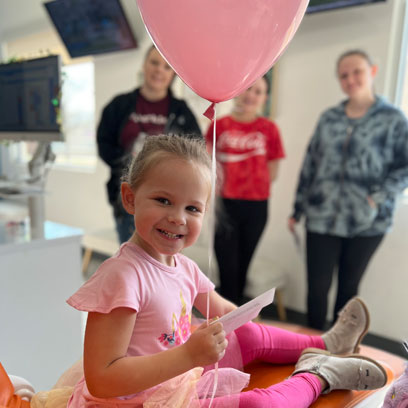
Two-phase orthodontic treatment is a staged approach to correcting a child’s bite and tooth alignment in two separate steps. Phase one begins while the jaw is still growing (usually between ages 6 and 10) to address skeletal and spacing issues early. Phase two follows years later, using full braces or aligners to align permanent teeth once they’ve erupted.
You may also hear it called early or interceptive orthodontic treatment. The goal is simple: catch problems before they become severe, so your child benefits from easier care down the road. At OPD Smiles, our specialists help patients and their families understand whether this staged approach is the right fit for their little ones.
How Does Two-Phase Orthodontic Treatment Work?
Two-phase treatment divides orthodontic care into two focused stages separated by a resting period. The first stage uses early appliances to guide jaw growth and create space while your child still has a mix of baby and permanent teeth. Later on, the second stage aligns all permanent teeth with braces or clear aligners for the final result.
Phase One: Early Intervention (Ages 6-10)
The first stage focuses on the foundation of your child’s smile. Because the jaw is still growing, orthodontists can gently shape it in ways that aren’t possible later.
Common phase one appliances and methods include:
- Palatal expanders to widen a narrow upper jaw
- Partial braces on select teeth to correct bite or alignment issues
- Space maintainers to hold room for incoming permanent teeth
- Habit appliances to help stop thumb sucking or tongue thrusting
This early stage usually lasts 6 to 12 months, though the length depends on your child’s specific needs.
The Resting Period
Once early treatment wraps up, your child enters a resting period. During this time, remaining baby teeth fall out and permanent teeth erupt naturally. Our team continues to monitor growth with periodic check-ins, so nothing gets missed.
This break can last a few months to a few years. It’s a normal, expected part of the process.
Phase Two: Full Alignment (Early Teens)
The second stage begins once most or all permanent teeth are in place. Your child then receives a full set of braces or clear aligners to fine-tune tooth position, close remaining gaps, and perfect the bite.
Because the tougher skeletal work was already handled early, the final stage is often shorter and simpler than a single round of late orthodontic care would be.
Benefits of Two-Phase Orthodontic Treatment
Starting early has real advantages when a child truly needs it. Here’s what two-phase care can offer:
- Corrects skeletal issues while the jaw is still growing. Once growth slows in the teen years, some corrections become much harder without surgery.
- May reduce the need for tooth extractions later. Creating space early can help all permanent teeth erupt naturally.
- Makes room for crowded teeth. Expanders and space maintainers give crowded smiles the room they need.
- Can shorten or simplify the second stage. With the hardest work done early, the follow-up round is often easier and quicker.
- Addresses harmful habits early. Thumb sucking, tongue thrusting, and mouth breathing can be corrected before they cause lasting damage.
- Boosts confidence during a formative age. Little ones with visible bite issues often feel better about their smile once early treatment begins.
Preventing problems, promoting smiles is at the heart of what our specialists at OPD Smiles do every day for the families they serve.
Two-Phase vs. Single-Phase Treatment
Not every child needs two phases. Many do just fine with a single round of braces or aligners in the early teen years. Here’s how the two approaches compare:
| Factor | Two-Phase Treatment | Single-Phase Treatment |
|---|---|---|
| Starting Age | 6-10 years (phase one) | 11-14 years |
| Timing | Two stages with resting period | One continuous stage |
| Best For | Crossbites, severe crowding, jaw growth issues | Mild to moderate alignment or bite issues |
| Total Duration | Longer overall (with break) | Typically 12-24 months |
| Cost | Often higher overall | Usually lower single investment |
| Goal | Prevent severe issues, guide growth | Align teeth once permanent |
Single-phase treatment waits until most permanent teeth have erupted, then uses braces or aligners to align everything at once. It’s a great fit for kids and teens whose skeletal growth is on track.
Two-phase treatment steps in earlier for moderate to severe issues that benefit from early correction. Only an orthodontic evaluation can determine which path is right for your child.
Cost Factors for Two-Phase Treatment
Two-phase treatment costs vary based on case complexity, appliance types, and total treatment length. Because care spans two separate stages, the overall investment is often higher than a single round of braces. Early intervention, however, can prevent costly future care like extractions, jaw surgery, or extended treatment in the teen years.
Several factors affect the final cost:
- Type of appliances used (expanders, partial braces, aligners, retainers)
- Number of office visits across both stages
- Diagnostic imaging and 3D scans
- Length of the resting period and monitoring visits
- Phase two treatment type (metal braces, clear braces, or clear aligners)
Many dental insurance plans include orthodontic benefits, and flexible payment plans can help spread the investment over time. At OPD Smiles, we’ll walk you through your coverage with clear, honest answers and provide a custom estimate during your free assessment. Families throughout the area appreciate knowing exactly what to expect before they begin, so there are no surprises along the way.
Is Your Child a Candidate for Two-Phase Treatment?
Not every child needs early orthodontic care, but some clear signs suggest a closer look is worthwhile. The American Association of Orthodontists recommends that every child have a first orthodontic evaluation by age 7. According to the AAO, this is when enough permanent teeth have erupted for a specialist to spot developing issues. Early-stage care typically runs 6 to 12 months, giving specialists a focused window to guide growth at just the right time.
Your child may be a good candidate for two-phase treatment if they show:
- Crossbite (upper teeth fitting inside lower teeth when biting down)
- Severe crowding with little room for erupting teeth
- Underbite or significant overbite
- Narrow upper jaw or asymmetric jaw growth
- Early or late loss of baby teeth
- Difficulty chewing or biting
- Mouth breathing or ongoing thumb-sucking past age 5
- Protruding front teeth that may be at risk of injury
Early evaluation doesn’t always mean early treatment. Sometimes our orthodontists simply monitor growth and step in at the ideal moment. Either way, you’ll leave with a clear plan and peace of mind.
Frequently Asked Questions About Two-Phase Treatment
When should my child first see an orthodontist?
Children should have their first free assessment by age 7. By this age, enough permanent teeth have come in for a specialist to identify bite issues, crowding, or jaw growth concerns early. The visit is quick, friendly, and often doesn’t lead to immediate treatment, just a plan to monitor your child’s growth.
Are baby teeth ever moved for cosmetic reasons?
No. Any work done on baby teeth during the first stage is for functional reasons, like guiding jaw growth, correcting a bite, or making room for permanent teeth. Cosmetic alignment is saved for later, once permanent teeth are in place.
Are both phases done at the same time?
No, the two phases are sequential, not simultaneous. Early treatment finishes first, then your child enters a resting period while remaining permanent teeth erupt. The final stage begins later, usually in the early teen years.
How long is the resting period between phases?
The resting period varies from child to child. It can last anywhere from several months to a few years, depending on how quickly permanent teeth erupt. During this time, we schedule periodic monitoring visits to make sure everything is on track.
Does every child need two phases of treatment?
Not at all. Many children do very well with a single round of braces or aligners as teens. Two-phase treatment is recommended only when early intervention offers clear benefits, like correcting jaw growth or preventing severe crowding. A free assessment with an orthodontist is the best way to know for sure.
Curious whether two-phase treatment is right for your little one? Our specialists at OPD Smiles have years of specialty training after dental school and love helping patients and their families find the right path for their child’s smile. Schedule a free assessment today to get guidance tailored to your family and start your child’s smile journey with confidence.