
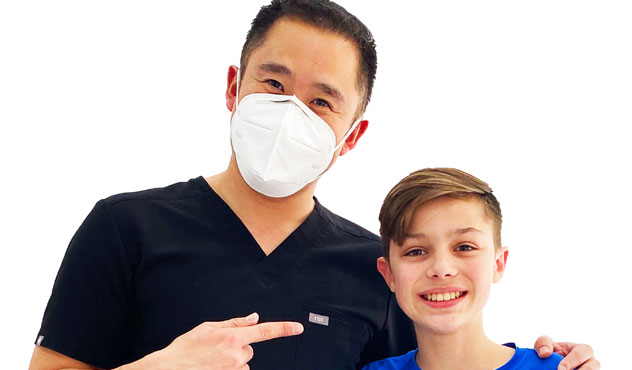
Pediatric sedation dentistry is considered safe for kids when performed by specialty-trained doctors using proper monitoring and dosing. Many children receive dental sedation each year to reduce anxiety, allow complex care, and protect long-term oral health. The key is choosing trained providers, like the pediatric team at OPD Smiles, who follow strict safety protocols and make every step of your child’s smile journey feel calm and reassuring.
What Is Sedation Dentistry for Children?
Pediatric sedation dentistry uses safe, carefully dosed medications to help children stay calm, comfortable, and still during dental care. It’s commonly used for little ones with dental anxiety, very young patients, or kids who need longer treatment. Most children remain awake and responsive, and the goal is a relaxed, worry-free visit rather than deep sleep.
Sedation is not the same as general anesthesia. With most sedation options, your child can still respond to gentle prompts, breathe on their own, and recover quickly. It’s a proven tool that helps set little ones at ease and lets our pediatric team complete high-quality care in a single, calm visit. That’s a big reason so many families trust sedation as part of a safe, worry-free smile journey.
What Are the Common Types of Pediatric Sedation?
Our specialty-trained team may recommend one of these options based on your child’s needs:
- Nitrous oxide (laughing gas): A mild, inhaled sedative that wears off within minutes.
- Oral sedation: A liquid medication that helps moderately anxious kids relax.
- IV sedation: A deeper option delivered through a vein for complex cases.
- General anesthesia: Full sleep, typically reserved for very extensive treatment or special healthcare needs.
Why Is Sedation So Widely Trusted?
Pediatric sedation has been used safely for many years. According to the American Academy of Pediatric Dentistry (AAPD), sedation is a well-established way to provide safe, effective dental care for children who otherwise couldn’t tolerate treatment. Our doctors complete years of specialty training after dental school, so they know how to match the right sedation method to each child. Parents often tell us this training is exactly why they feel confident starting their little one’s smile journey with our practice.
How Does Pediatric Dental Sedation Work?
Pediatric dental sedation works in a few clear steps. First comes a full health review. Next, our team calculates careful dosing based on age and weight. Then the medication is delivered through inhalation, mouth, or IV. Throughout the visit, your child is monitored continuously. Your little one stays comfortable while our team tracks heart rate, oxygen levels, and breathing. After treatment, kids rest under supervision before heading home.
Here’s what to expect from start to finish.
What Happens During the Pre-Visit Health Assessment?
Before any sedation visit, our pediatric team reviews your child’s full medical history. We ask about:
- Allergies and current medications
- Past reactions to sedation or anesthesia
- Ongoing health conditions (asthma, heart issues, sleep apnea)
- Recent illnesses or fevers
This helps us pick the safest sedation option for your little one.
How Is Precise, Weight-Based Dosing Calculated?
Dosage is calculated by your child’s weight, age, and health profile, not a one-size-fits-all amount. Our specialty-trained doctors follow AAPD and American Academy of Pediatrics guidelines to keep dosing conservative and appropriate. This careful, individualized approach is a core part of what keeps sedation dentistry safe for kids of every age.
How Is the Sedation Delivered?
Depending on the plan:
- Nitrous oxide is breathed in through a small nose mask.
- Oral sedation is a sweet-flavored liquid taken before treatment.
- IV sedation is given by a trained anesthesia provider.
How Do You Monitor My Child During Treatment?
Throughout the visit, our team monitors:
- Heart rate and rhythm
- Oxygen saturation (pulse oximetry)
- Breathing and blood pressure
- Responsiveness
What Does Guided Recovery Look Like?
After the visit, your child rests in a quiet area with you nearby. We’ll walk you through home care, meals, and what’s normal in the hours that follow. Our goal is a smooth handoff so you feel prepared and your little one feels cared for.
Benefits of Sedation Dentistry for Kids
The benefits of sedation dentistry for kids include reduced fear, fewer visits, safer treatment, and better access to care for children with special needs. For many families, sedation is what turns a stressful experience into a calm one, and it often shapes a child’s attitude toward the dentist for years to come. It’s more than a comfort tool.
Key benefits include:
- Less fear and anxiety. Nervous kids can relax instead of dreading the chair.
- Fewer visits. Complex care that would normally take several trips can often be done in one.
- A positive first memory. Preventing a scary experience helps kids grow into confident dental patients.
- Safer treatment. Sedation keeps little ones still, which lowers the risk of accidental movement during care.
- Care for children with special needs. Sedation allows kids with sensory or medical challenges to receive the treatment they deserve.
Our pediatric team sees the difference firsthand. A calm visit today often means a lifetime of healthy habits. Many parents notice their little ones actually look forward to coming back, which turns a once-dreaded event into a positive part of growing up. That shift is a big part of spreading smiles across the families we serve, and it’s why we treat every appointment as a chance to build trust. When children feel safe in the chair, they carry that confidence into every future visit, and their smile journey stays on track for the long haul.
Types of Sedation Compared: Which Is Safest?
All pediatric sedation options are safe when used properly, but each one has a different depth, onset time, and recovery. The mildest option that gets the job done is usually the best choice. Our specialty-trained doctors match the method to the child, not the other way around. Choosing the gentlest effective option is one of the ways we keep sedation dentistry safe for kids.
Here’s a quick comparison:
| Sedation Type | Depth | Onset | Recovery | Best For |
|---|---|---|---|---|
| Nitrous Oxide | Very mild | 3-5 minutes | Minutes | Mild anxiety, routine care |
| Oral Sedation | Mild to moderate | 20-30 minutes | A few hours | Moderate anxiety, longer visits |
| IV Sedation | Moderate to deep | Rapid | Several hours | Complex cases, higher anxiety |
| General Anesthesia | Deepest | In operating setting | Longer, supervised | Extensive care, special needs |
How Does Nitrous Oxide (Laughing Gas) Work?
This is the gentlest and most common option. Kids stay awake, breathe normally, and often feel a bit giggly. It wears off within minutes of removing the mask, so your child can return to school or normal activities the same day.
When Is Oral Sedation Used?
A liquid medication helps moderately anxious kids drift into a relaxed, drowsy state. Little ones stay conscious but calm. Effects wear off within a few hours.
What Should I Know About IV Sedation?
Delivered through a vein by a trained anesthesia provider, this option works quickly and is well-suited to longer, more involved treatment.
When Is General Anesthesia Recommended?
This is used when a child needs extensive dental work or has significant special healthcare needs. It’s performed in a hospital or accredited surgical setting with a dedicated anesthesia team.
Cost Factors for Pediatric Sedation Dentistry
Pediatric sedation dentistry cost depends on the type of sedation, the length of the visit, and whether insurance covers it. Nitrous oxide is typically the most budget-friendly, while IV sedation and general anesthesia cost more due to the added staff and monitoring. Many dental plans cover sedation when it’s medically necessary for young children or those with special needs.
Main cost factors include:
| Factor | Impact on Cost |
|---|---|
| Type of sedation | Nitrous is lowest; IV and general anesthesia are highest |
| Length of treatment | Longer visits require more monitoring time |
| Provider training | Specialty-trained pediatric doctors and anesthesia providers |
| Monitoring equipment | Pulse oximetry, capnography, ECG |
| Insurance coverage | May cover part or all when medically necessary |
What Might Insurance Cover?
Coverage varies, but insurance often helps when sedation is needed because of:
- Age (very young children)
- Extensive treatment needs
- Documented dental anxiety
- Special healthcare needs
Our front desk team can review your benefits with you in plain language, so there are no surprises. Ask us about payment plans and financing so cost never gets in the way of your child’s care. We want every family to feel supported when planning their little one’s smile journey, and clear answers about cost are a big part of that.
Is Your Child a Good Candidate for Sedation?
A good candidate for pediatric sedation is a child with moderate to severe dental anxiety, a very young patient who cannot sit still, a child with special healthcare needs, or one who needs extensive treatment. Not every child needs sedation, and that’s a good thing. Many little ones do wonderfully with our gentle, kid-friendly approach and a few tell-show-do techniques.
Your child may be a good candidate if they:
- Have moderate to severe dental anxiety or a strong fear of the chair
- Are very young and cannot sit still for treatment
- Have special healthcare needs that make cooperation difficult
- Need extensive work that would require several long visits
- Have a strong gag reflex or sensory sensitivities
- Have had a difficult dental experience in the past
What Do You Review Before Recommending Sedation?
Our pediatric team looks at the full picture:
- Medical history and current medications
- Age, weight, and development
- Type and length of treatment needed
- Your child’s temperament and past visits
- Family preferences and comfort level
If sedation isn’t the right fit, we’ll talk through other ways to set your little one at ease. If it is, we’ll walk you through every step so both you and your child feel confident. Our promise is a calm, five-star experience whether or not sedation is part of the plan, because a positive start sets the tone for your child’s entire smile journey with our team.
Frequently Asked Questions About Kids’ Sedation
Are there side effects of sedation in children?
Most side effects are mild and short-lived. Kids may feel drowsy, a little dizzy, or slightly nauseous after their visit. Serious reactions are rare when specialty-trained doctors follow proper dosing and monitoring guidelines. We’ll review possible side effects with you before your child’s visit so you know exactly what to watch for at home.
How long does sedation last for kids?
It depends on the type. Nitrous oxide wears off within minutes. Oral sedation effects can last a few hours, and IV sedation may take several hours to fully wear off. Your child should rest at home for the remainder of the day and skip active play, sports, or school.
Can my child eat before sedation?
For most sedation visits, kids need an empty stomach to reduce the risk of nausea. We’ll give you clear instructions on when to stop food and drinks based on the type of sedation planned. For nitrous oxide, a light meal a few hours before is usually fine, but always follow the specific guidance from our pediatric team. When in doubt, call us and we’ll clarify the timing for your little one.
What should I do during recovery at home?
Keep your child in a quiet, supervised space and offer small sips of water once they’re alert. Start with soft, easy-to-swallow foods. Skip climbing, biking, and rough play for the rest of the day. Have a caregiver stay with them until they’re fully back to normal. Quiet activities like reading or a favorite movie can help the hours pass comfortably.
When should I call the dentist after sedation?
Reach out right away if your child has trouble breathing, ongoing vomiting, extreme drowsiness that doesn’t improve, a fever, or unusual pain. These are rare, but our team is here to help. Trust your instincts, and contact us any time you have a concern.
How do I get honest answers about my child’s options?
Choosing sedation is a personal decision, and you deserve straightforward answers from a team you can trust. At OPD Smiles, our specialty-trained pediatric dentists and orthodontists have years of training after dental school and a real love for helping little ones truly enjoy the dentist. If your child struggles with dental anxiety or needs treatment that feels overwhelming, we’d love to help. Book a free assessment with our pediatric team, and we’ll walk you through every option, step by step. It’s where smiles begin, and where worry-free care starts for your family.